
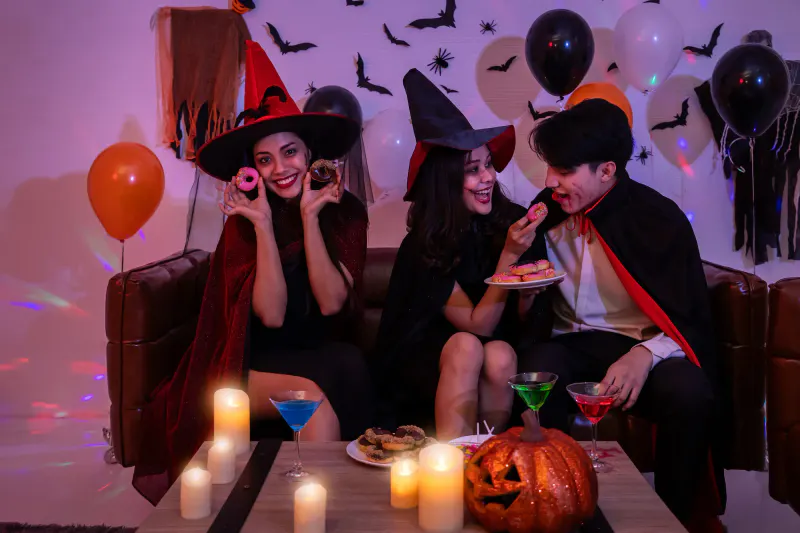

Halloween falls on a Saturday this year, which means parties will likely start Friday night and run through the weekend. For anyone in recovery, and especially anyone in their first year, Halloween in recovery can bring a stack of triggers at once: themed cocktails, old friends, late nights, and costumes that make it feel like the usual rules are off. A sober Halloween is very possible. It just goes better with a plan. This guide covers why the holiday can be tricky, which triggers to watch for, and practical ways to enjoy the weekend without putting your recovery at risk.
Why Halloween Can Be a Hard Night in Recovery
Most holidays have a family script. Halloween for adults usually has a party script, and that script often revolves around drinking. Punch bowls with dry ice, Jell-O shots in orange and black, and bars running costume contests all send the same message about how the night is supposed to go.
Alcohol is a big part of why the stakes are real. The CDC reports that excessive alcohol use caused about 178,000 deaths each year in the United States in 2020 and 2021, and it identifies binge drinking as the most common pattern of excessive use. Holiday weekends built around parties make that pattern easy to fall into.
Costumes add another layer. When you are dressed as someone else, it can feel like your choices belong to the character instead of you. That sense of anonymity is part of the fun for many people. For someone in recovery, it can also make an old behavior feel temporarily allowed.
Common Halloween Relapse Triggers to Watch For
Every person's triggers are different, but a few come up again and again around Halloween:
Parties where alcohol is the main activity and there is little else to do
Running into people you used to drink or use with
Staying out late and running on too little sleep
Edibles or "special" candy passed around without labels
Feeling left out if you skip the event, or bored if you go
Nostalgia for Halloweens past, which memory tends to edit generously
Recognizing a trigger in advance takes away some of its power. For a deeper look at the patterns that most often lead to relapse, see Top 10 Common Relapse Triggers and How to Avoid Them.
How to Plan a Sober Halloween That Holds Up
You do not have to skip every party to protect your recovery. You do have to decide ahead of time how the night will go, because the moment someone hands you a drink is a bad time to start thinking it through.
Before the Party
Ask yourself honestly whether this event fits where you are in recovery right now. Skipping is a legitimate choice.
Tell your sponsor, a peer, or a trusted friend where you will be and when you plan to leave.
Eat a real meal beforehand. Hunger and fatigue make cravings louder.
Pick a costume you can actually relax in. Being uncomfortable all night wears down your patience.
At the Party
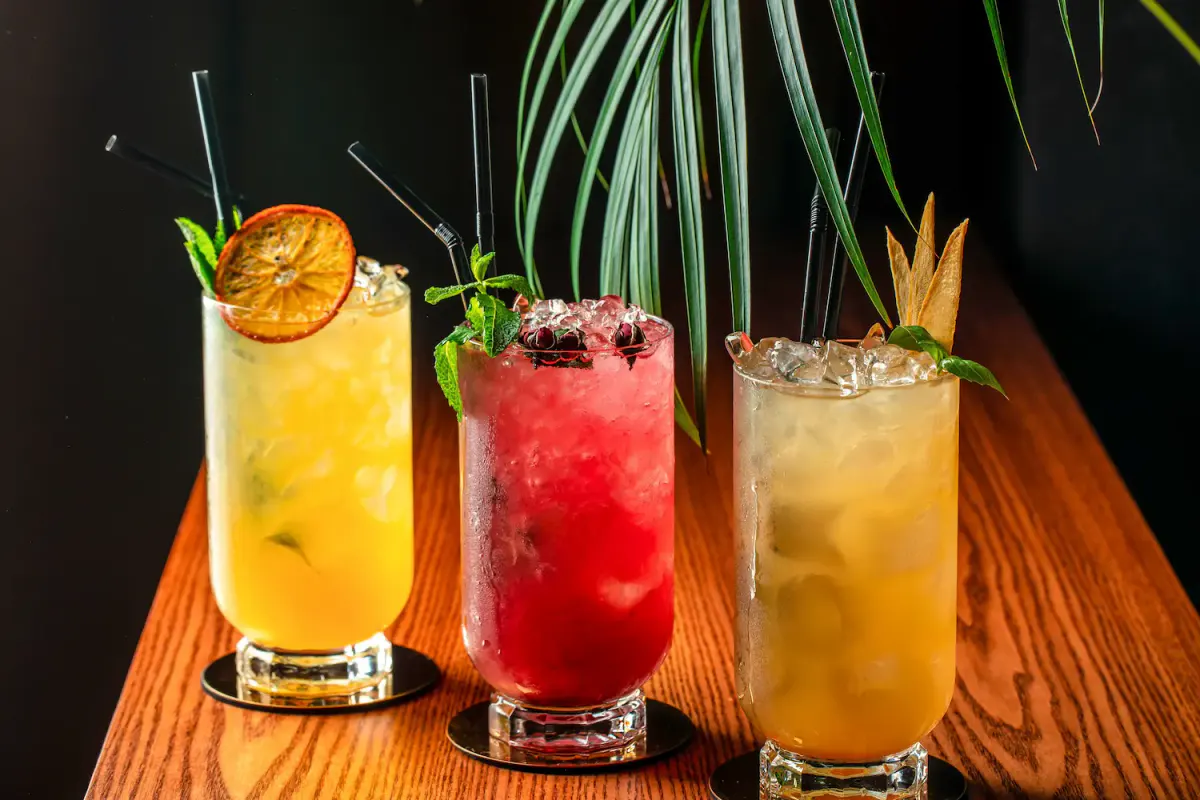
Bring your own drinks, such as sparkling water, a mocktail, or a favorite soda, and keep one in your hand. People rarely offer a drink to someone already holding one.
Arrive with a sober friend if you can, and agree on a signal for when either of you wants to go.
Drive yourself or arrange your own ride so you can leave whenever you need to.
Keep a simple answer ready, like "I'm good, thanks." You do not owe anyone an explanation.
After the Party
Check in with your support person, even if the night went fine.
Notice what felt hard and what helped. That information makes the next holiday easier.
Sober Halloween Ideas in Texas
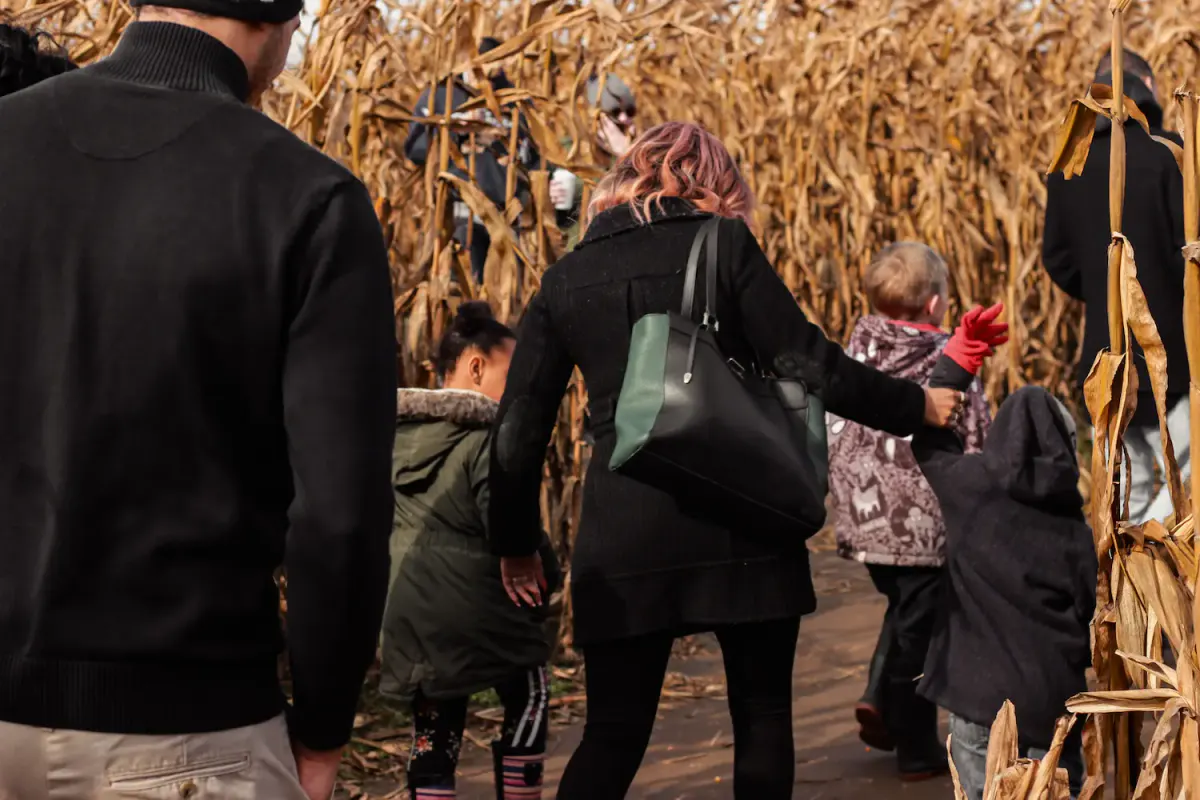
If a party does not feel right this year, Texas offers plenty of ways to celebrate without alcohol at the center. Many cities host haunted trails, corn mazes, and fall festivals that are built around activities instead of drinking. Trick-or-treating with kids, nieces, nephews, or neighbors brings back the part of Halloween that was fun before alcohol was involved. A horror movie marathon with sober friends, a pumpkin carving contest, or volunteering at a community trunk-or-treat are all low-pressure options.
Día de los Muertos follows right after Halloween, on November 1 and 2, and many Texas communities mark it with altars, parades, and gatherings centered on remembering loved ones. For some people in recovery, it offers a meaningful way to end the weekend.
Recovery communities often host their own events this time of year, too. Ask your support group or sober living house what is planned. You may be surprised how many people are looking for the same thing.
Why Connection Matters More Than Willpower on Halloween
Willpower is real, but it runs out, especially late at night in a loud room. Connection holds up better. SAMHSA describes peer support from people with lived experience of recovery as a key part of staying well, and its definition of recovery includes community, meaning relationships and social networks that provide support and hope.
At More Than Rehab, the social model of recovery is built on that idea. People in recovery support each other daily, practice real-life situations together, and build friendships that do not depend on drinking or drug use. A holiday like Halloween is exactly the kind of moment that support is for. We explored this further in From Isolation to Connection: Why Social Support Matters in Recovery.
If You Slip This Weekend
Sometimes the plan does not hold. If you drink or use over Halloween weekend, focus on your next step. According to the National Institute on Drug Abuse, relapse rates for substance use disorders are similar to those for other chronic illnesses such as high blood pressure and asthma. A relapse means treatment may need adjusting. It does not mean you failed or that recovery is out of reach.
Reach out to your sponsor, counselor, or support group as soon as you can. Be honest about what happened. If you are worried about your safety, or if you used something that was not what you thought it was, get medical help right away.
For anyone who wants more structured support after a slip, our relapse prevention program helps people identify triggers, build coping strategies, and return to recovery with a clearer plan. Our programs also include alcohol rehab in Texas for people who find that drinking has become harder to control.
Frequently Asked Questions
How do I stay sober at a Halloween party?
Plan ahead. Bring your own non-alcoholic drinks, arrive with a sober friend, arrange your own transportation, and decide in advance when you will leave. Tell someone in your support network where you will be and check in with them afterward.
Is it okay to skip Halloween parties in early recovery?
Yes. Skipping a party to protect your recovery is a healthy choice, not a failure. Many people in early recovery celebrate in lower-pressure ways, such as trick-or-treating with family, movie nights, or fall festivals.
What should I do if I relapse on Halloween?
Reach out to your sponsor, counselor, or support group as soon as possible and be honest about what happened. Relapse is common in recovery and usually means your plan needs adjusting. Get medical help right away if you feel unsafe.
What are some sober Halloween activities in Texas?
Texans can visit haunted trails, corn mazes, and fall festivals, join a community trunk-or-treat, host a horror movie night, or attend Día de los Muertos celebrations on November 1 and 2. Many recovery communities also host their own sober events.
Enjoy the Weekend on Your Terms
Halloween in recovery does not have to mean sitting home alone or white-knuckling your way through a party. With a plan, a few people in your corner, and permission to leave whenever you need to, you can enjoy the weekend and wake up Sunday glad about how it went. If you or someone you love is struggling with addiction, More Than Rehab is here to help. Reach out today for a confidential conversation.
Related Posts
Recovery Month: How Families Can Help
September 24, 2026
Overdose Awareness Day 2026: Naloxone Access in Texas
August 19, 2026
What Is Medication-Assisted Treatment (MAT)?
May 29, 2026