June is PTSD Awareness Month ... You're not alone... We're here to help...


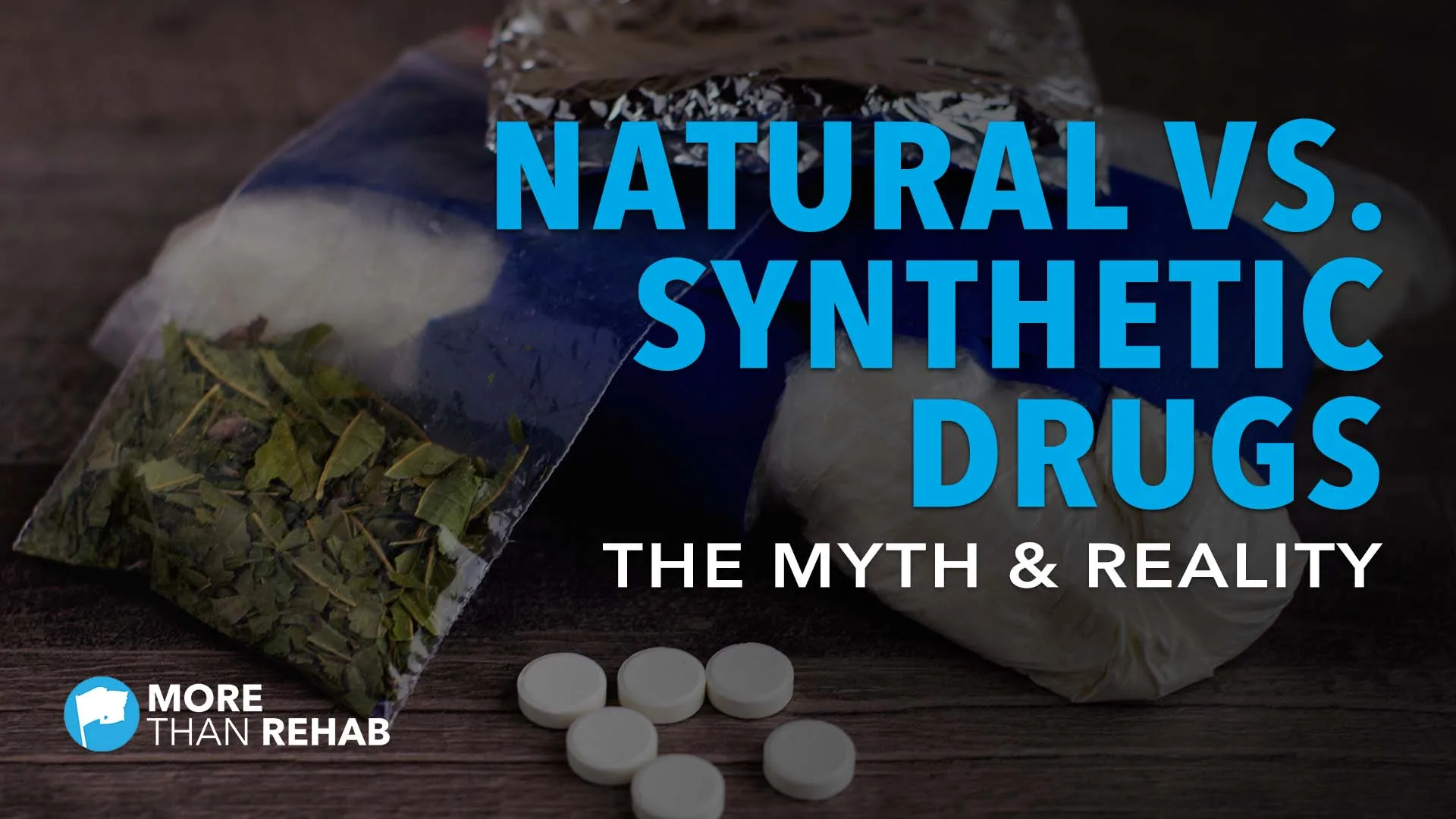
You’ve likely seen them at the counter of your local smoke shop or gas station here in Texas. Brightly colored bottles of "dietary supplements" that promise anxiety relief, flavored canisters of "culinary gas," or packages labeled as incense.
For someone in recovery (or anyone just trying to get through a stressful day) these products often look like a harmless loophole. They are accessible, affordable, and sold right next to energy drinks and candy bars. How dangerous could they be if they aren't illegal?
The answer is: extremely.
As we move further into 2026, the market for legal highs has exploded, creating a minefield for recovering addicts. These substances occupy a legal gray area, but their impact on your physical health and mental health is often just as devastating as the illicit drugs they mimic.
Here is why "legal" definitely doesn’t mean safe, and the specific substances you need to be aware of right now.
If there is one category of substances causing the most havoc in the Texas recovery community right now, it is the unregulated market of "gas station heroin." While Tianeptine has been the primary culprit, a new and equally dangerous player causes additional concern: 7-Hydroxymitragynine, commonly marketed as 7-OH or 7-Hydro.
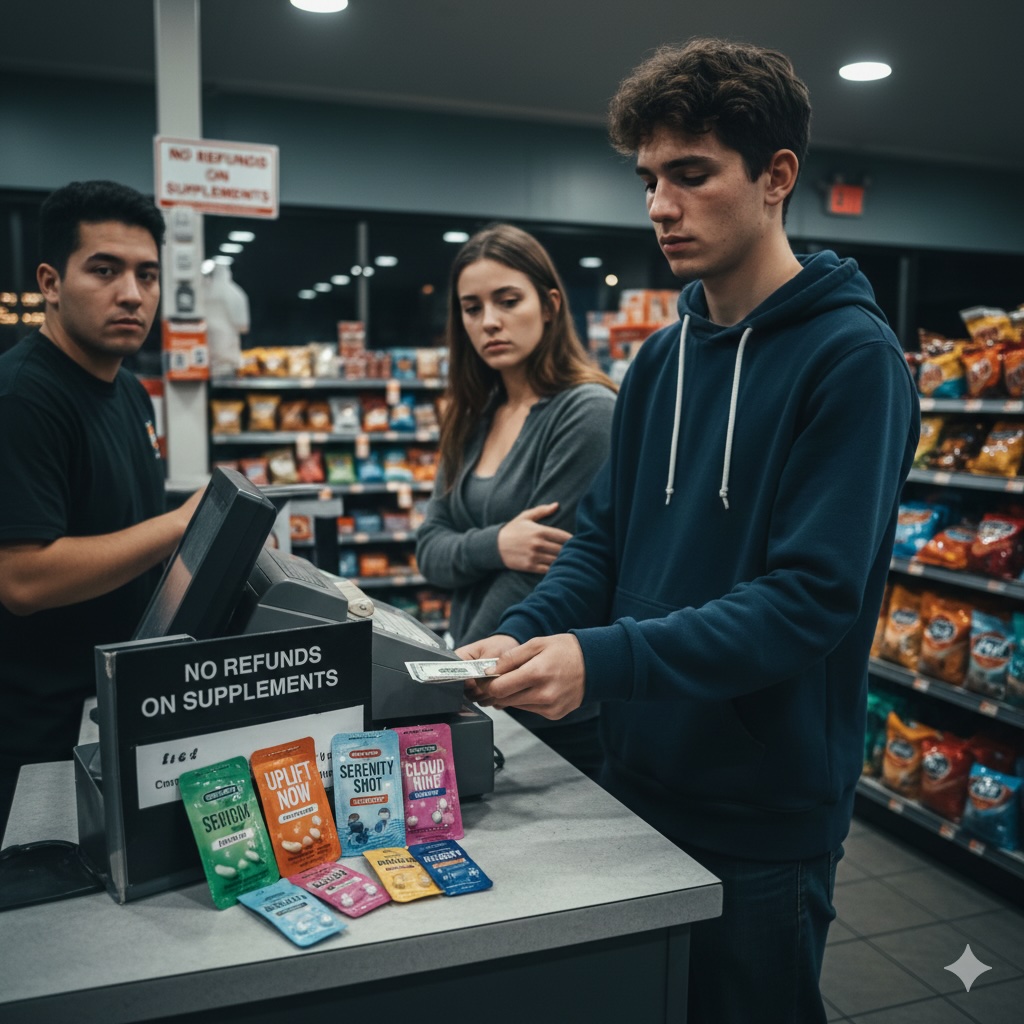
You will often see these products sold side-by-side at smoke shops and gas stations. Tianeptine is usually found under brand names like ZaZa, Tianaa, or Neptune’s Fix, while the new 7-Hydroxymitragynine products are sold as 7-OH, 7-Hydro, 7-Tabz, or Hydroxie.
Here is why this combination is a nightmare for recovery:
The real nightmare begins when you try to stop. Tianeptine withdrawal is widely considered by addiction specialists to be worse than heroin withdrawal because it combines the physical agony of opioid detox with the severe mental instability of suddenly stopping a tricyclic antidepressant. Similarly, 7-OH builds tolerance rapidly, leading users to consume expensive, high-dose extracts that result in a crippling physical dependence.
Consumers are often told these are "natural" or "safe" supplements to help with pain or mood, only to find themselves trapped in a cycle of addiction that can rival the effects of illicit opioids.
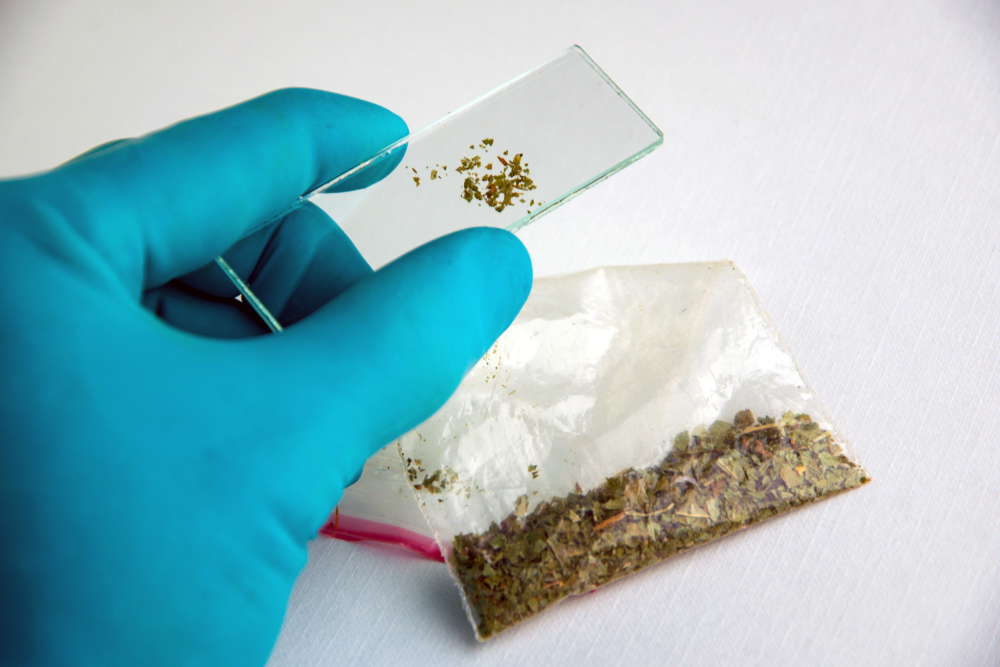
To understand why dangerous drugs are sold legally, you have to look at the packaging. You will often see fine print that says "Not for human consumption" or labeled as "potpourri," "incense," or "glass cleaner."
This is a legal trick that manufacturers use to bypass FDA regulations. It allows them to sell dangerous psychoactive chemicals over the counter by pretending they aren't food or drugs. We saw this years ago with the rise of bath salts (synthetic cathinones) and synthetic cannabinoids (often called Spice or K2).
While legislation has cracked down on some specific formulas, underground chemists constantly tweak the molecules to stay one step ahead of the law.
A trending threat in 2026 is the sale of massive, flavored canisters of nitrous oxide, often marketed as "Galaxy Gas." While nitrous oxide has been around for decades, these new products are sold as "culinary chargers" to avoid scrutiny.
This isn’t harmless fun. Heavy use of nitrous oxide depletes Vitamin B12, which creates a cascade of physical health problems. We are seeing patients with severe nerve damage, numbness in their limbs, and even the inability to walk due to spinal cord degeneration - all from a product you can buy at a smoke shop.
Kratom is often marketed as a safe, herbal solution for pain or anxiety. While it is a plant, it interacts with the same opioid receptors in the brain as morphine.
The danger with Kratom in 2026 is the concentration. We aren't just talking about tea leaves anymore; shops are selling highly concentrated extracts that are significantly more potent. For an addict in recovery, Kratom is often a backdoor to relapse. It keeps the opioid receptors primed and hungry, often leading the user back to Fentanyl, or other opioids.
The biggest danger of legal highs isn't just the chemical effect; it's the behavior. When you reach for a pill, a shot, or a vape to "change the way you feel," you are feeding the cycle of addiction.
In the Social Model of addiction recovery we practice at More Than Rehab, we emphasize that true freedom comes from living comfortably in your own skin, not just finding a legal substitute to numb the world around you.
Are "legal highs" undetectable on drug tests?
Not necessarily. While standard 5-panel tests might miss them, specialized tests for synthetic cannabinoids, Kratom, and Tianeptine exist. Many sober living homes and rehabs (including MTR) now test for them specifically.
Can legal drugs really hurt my mental health?
Absolutely. Substances like bath salts and high-dose Tianeptine can trigger psychosis, panic attacks, and severe depression that may last long after the drug leaves your system.
Is it illegal to use products labeled "not for human consumption"?
Technically, using these products to get high can be prosecuted under the Federal Analogue Act in some cases, but the real risk is to your life, not just your criminal record. These products have zero quality control, and many of them can be deadly.
What should I do if a loved one is using these products?
Treat it as seriously as any other addiction. Because withdrawal from substances like Tianeptine can be medically dangerous (seizure risk), a professional medical detox is often required. Call More Than Rehab to discuss safe detox options.