June is PTSD Awareness Month ... You're not alone... We're here to help...


You finally did it. You made the brave decision to enter treatment, you completed detox, and you feel amazing. The obsession to use has lifted. The sky looks bluer. You are reconnecting with friends and family, crushing your goals, and you wake up every morning thinking, "I’ve got this. I’m never going back."
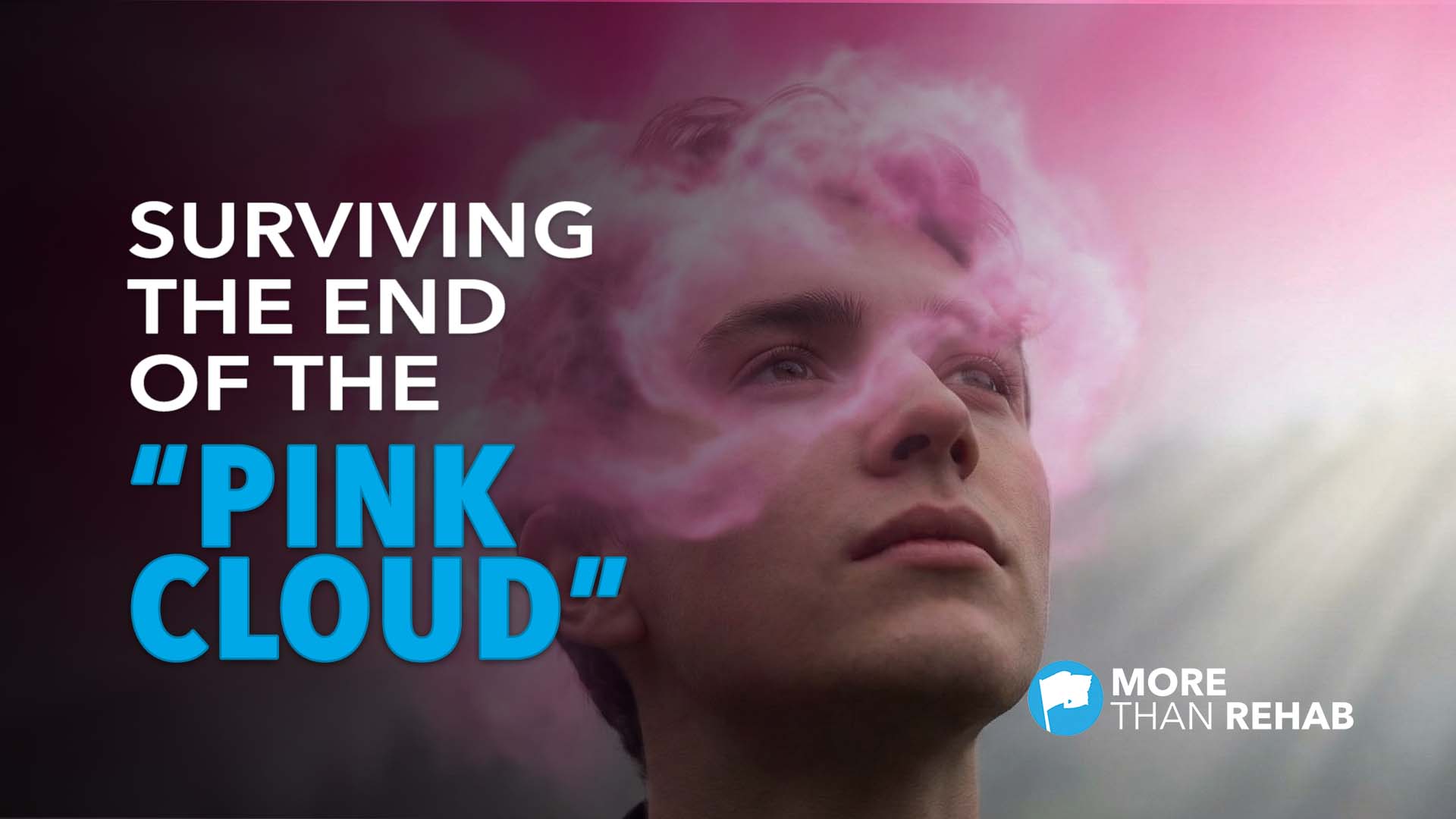
Welcome to the pink cloud phase.
It is a beautiful place to be, because feeling good is exactly what you deserve after years of struggling with a substance use disorder. But it is also one of the most dangerous times in early addiction recovery. Why? Because the cloud eventually evaporates. And when reality hits, if you aren't prepared for the landing, the crash can lead straight back to a relapse.
The "Pink Cloud" is a term often used in AA/NA and drug addiction treatment circles to describe the euphoria that happens in the first few weeks or months of sobriety.
Physically, your body is finally healing, and your brain is waking up. Psychologically, you are relieved to be out of the chaos. You feel a natural high. More symptoms include:

The Pink Cloud isn't "bad", it’s a great reprieve that gives you the strength to start your recovery journey. The danger lies in complacency.
When you are riding the cloud, you might stop doing the work. You might skip a meeting because "you feel fine." You might stop calling your sponsor. You might think the hard part is over.
But recovery isn't a sprint; it's a marathon. Eventually, life happens. You get a flat tire. Your boss yells at you. You get a bill you can't pay. When the euphoria fades and stress returns, you may find yourself in high risk situations without a safety net. This disappointment is a prime breeding ground for relapse.
The end of the Pink Cloud often looks like the onset of PAWS (Post-Acute Withdrawal Syndrome). You might notice:
Note: If these feelings hit specifically in the winter months, be careful not to confuse the end of the pink cloud with seasonal affective disorder, which can also trigger a relapse if left untreated.
1. Don't Trust Your Feelings, Trust Your Routine: Feelings are like the weather; they change sometimes for no reason at all. Your routine is your anchor. The key to long term recovery is having a muscle memory of healthy behaviors to fall back on. Keep going to meetings even when you feel great. Keep working the steps even when you don't think you "need" to.

2. Lean on Your Support Network: When the cloud fades, you need people. Your support network (whether that's your peers from More Than Rehab, your sponsor, or supportive family members) will be the ones to catch you. Be honest with them. Tell them, "I'm not feeling that great anymore; I'm starting to feel like it's a struggle." That honesty is what keeps you sober.
3. Use the Energy Wisely: Use that Pink Cloud energy to build a foundation. While you feel motivated, find a home group, repair relationships, and set up your aftercare plan. Build the safety net now while you feel strong, so it’s there to protect your sober life when you feel weak.
Q: How long does the Pink Cloud last?
A: It varies for everyone. For some, it lasts a few weeks; for others, a few months. It typically occurs right after acute withdrawal ends.
Q: Is the Pink Cloud a real medical syndrome?
A: While not an official medical diagnosis, "Pink Cloud Syndrome" is a widely recognized phenomenon in addiction psychology and is even being studied as a potential predictor for relapse in younger adults.
Q: What comes after the Pink Cloud?
A: Usually, "life on life's terms." You enter a phase of realistic maintenance. This is where true emotional sobriety begins, by learning to maintain sobriety through boredom, stress, and average days.
Q: Does everyone experience the Pink Cloud?
A: No. Some people enter recovery and immediately face PAWS, depression, or anxiety. Everyone’s timeline is different. Comparing your insides to someone else’s outsides is never helpful.
At More Than Rehab, we help you navigate every stage of the addiction recovery journey, from the initial confidence to the necessary long-term work. Call us today to learn more about our alcohol and drug rehabilitation programs. We are available 24/7, 365 days a year.