


Quitting Nicotine in Recovery: Is It Too Much at Once?

Walk past almost any recovery meeting and you will likely see a cluster of people outside with coffee and cigarettes, or a vape tucked into a pocket. Nicotine is often the last substance people think about giving up, and many are told to focus on one thing at a time. With the Great American Smokeout coming up on Thursday, November 19, it is a good moment to ask a harder question: does quitting nicotine in recovery put your sobriety at risk, or could it help protect it? The research points somewhere many people do not expect.
Why Nicotine Use Is So Common in Recovery
People with alcohol or other substance use disorders are more likely to also be addicted to nicotine, according to the National Institute on Drug Abuse. Part of the reason is chemistry. Nicotine acts on the same reward pathways in the brain that alcohol and other drugs do, so it can quiet cravings for a few minutes and take the edge off stress.
Part of it is culture, too. For decades, a smoke break has been the one vice that treatment programs, sponsors, and families quietly accepted. When someone has just stopped drinking or using opioids, asking them to give up cigarettes as well can feel almost unkind. Many people in early recovery have heard some version of "don't make any big changes in your first year," and nicotine gets filed under that rule.
The products have changed, though. Cigarettes now share shelf space with vapes and nicotine pouches, and those newer options can make it easier to use nicotine all day without anyone noticing, including the person using it.

What the Research Says About Quitting Nicotine in Recovery
In 2025, NIDA highlighted a study published in JAMA Psychiatry that followed 2,652 adults with a history of substance use disorder over four years. People who went from currently smoking to formerly smoking had 42 percent greater odds of being in recovery from their other substance use disorder.
The researchers were careful to note that the study shows an association, not proof that quitting smoking causes better recovery. Even so, NIDA Director Nora Volkow said the findings point to "the importance of addressing different addictions together, rather than in isolation." The study's senior author also acknowledged that quitting smoking has not been a high priority in many addiction treatment programs.
SAMHSA has reached a similar conclusion. Its patient materials state that quitting smoking improves the chances of long-term recovery, and they add that quitting can improve mood and reduce anxiety. That last point surprises many people who smoke specifically to calm their nerves.
Is Quitting Nicotine Too Much at Once?
The worry is understandable. Early recovery already asks a lot of a person, and nobody wants to stack one withdrawal on top of another. Still, the research above suggests the old advice to leave nicotine for later deserves a second look.
There is no single right timeline for everyone. Some people quit nicotine during treatment, when they already have structure, counseling, and support around them. Others stabilize first and set a quit date a few months into recovery. What matters most is making the decision on purpose, with your treatment team or doctor, instead of letting nicotine slide indefinitely because the timing never feels perfect.
A few signs that it may be time to talk seriously about quitting:
You reach for a cigarette, vape, or pouch whenever you feel a craving for alcohol or drugs.
You find yourself using nicotine more now than before you got sober.
Smoke breaks are where you still see old friends or hear about old habits.
Your doctor has raised concerns about your heart, lungs, or blood pressure.
If nicotine has become the place where every craving goes, it may be holding more of your recovery together than you realize. Learning other ways to handle those moments makes the whole foundation sturdier.
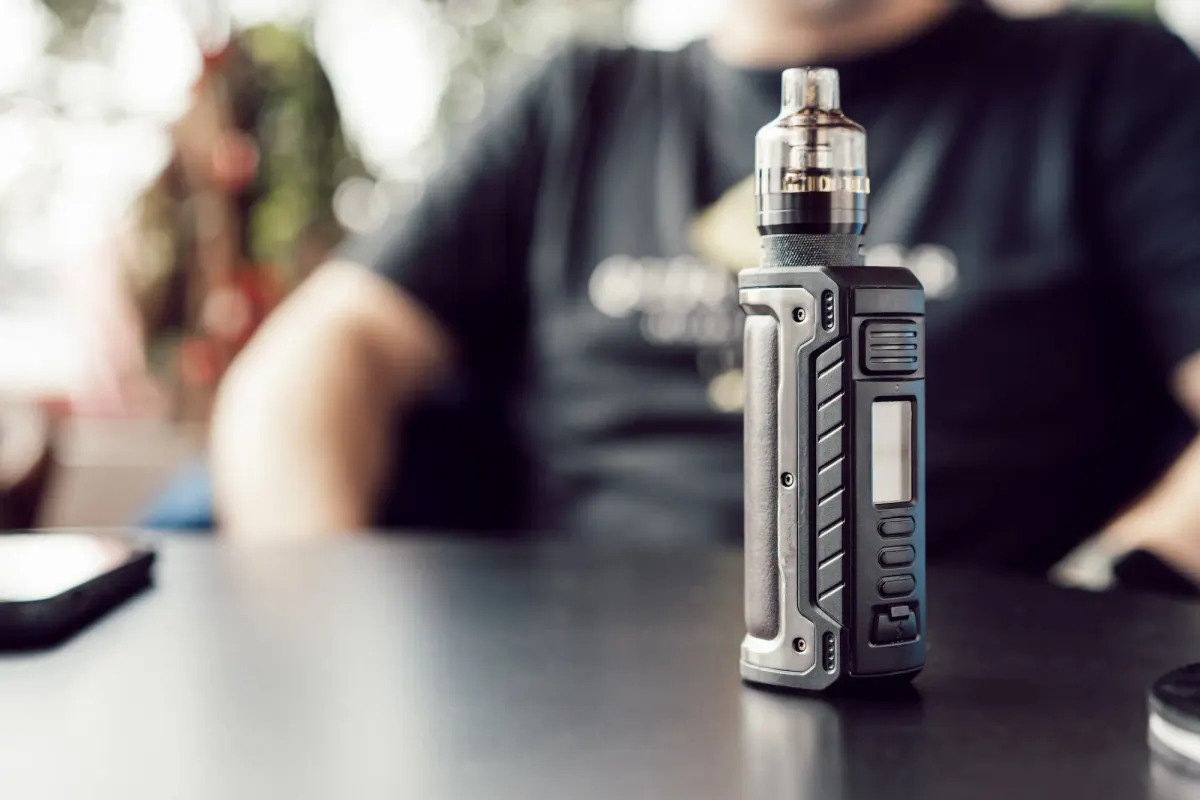
Vapes and Nicotine Pouches Are Not a Free Pass
Many people switch from cigarettes to vaping or pouches and consider the problem solved. These products may avoid some of the smoke, but they still deliver nicotine. According to the CDC, nicotine pouches are small packets placed between the lip and gum, and some contain very high levels of nicotine. The CDC also notes that the FDA has not approved any nicotine pouch as a tool to help people quit smoking.
Because pouches and vapes are discreet, use can creep up without any of the natural pauses that come with stepping outside for a cigarette. If you have switched products, it is worth asking whether you are using less nicotine overall or just using it differently.
Practical Steps to Quit Smoking in Recovery
You do not have to quit nicotine with willpower alone, and you should not have to. These steps can help:
Talk with your counselor or doctor first. They can help you pick a timeline that fits where you are in recovery.
Ask about FDA-approved quit medications, such as nicotine replacement therapy, varenicline, or bupropion. Combining medication with counseling makes quitting easier.
Use free support. Texans 13 and older can call the Texas Tobacco Quitline at 877-YES-QUIT (877-937-7848). The Texas Department of State Health Services says the program offers free quit coaching and up to eight weeks of nicotine replacement therapy.
Plan for your trigger moments. Morning coffee, the drive home, and breaks at meetings are all moments that need a new routine.
Tell your support group. Many people quitting nicotine in recovery find someone else in the room who is ready to quit too.
Nicotine withdrawal can bring irritability, restlessness, and strong cravings for a few weeks. Those feelings can resemble early sobriety, and that can feel alarming. Recognizing them for what they are helps. Our post on why withdrawal makes quitting feel impossible explains what is happening in the brain.
How Substance Abuse Treatment in Texas Can Address Nicotine Too
At More Than Rehab, recovery is built on a social model. People work through change alongside peers who understand it, which makes it easier to try something hard, like quitting nicotine, without feeling alone. Our counselors can help you look at the role nicotine plays in your day, how it connects to cravings for other substances, and when a quit attempt makes sense for you. Our relapse prevention program also helps people identify triggers and build coping skills that do not depend on any substance, nicotine included.
More Than Rehab is LegitScript certified, so you can trust that our programs and marketing have been independently reviewed for honesty and transparency.
Frequently Asked Questions
Should I quit smoking while in addiction recovery?
Research suggests it may help. A 2025 study highlighted by NIDA found that adults who quit smoking had 42 percent greater odds of being in recovery from other substance use disorders. Talk with your treatment team about the right timing for you.
Will quitting nicotine make me relapse on alcohol or drugs?
Current research points the other way. SAMHSA states that quitting smoking improves the chances of long-term recovery. Planning ahead for nicotine cravings and getting support can make the process smoother.
Is vaping better than smoking for people in recovery?
Vaping avoids some of the smoke from cigarettes, but it still delivers nicotine, which is highly addictive. Vapes and nicotine pouches can make it easy to use nicotine all day without noticing how much you are taking in.
Where can I get free help to quit smoking in Texas?
The Texas Tobacco Quitline at 877-YES-QUIT (877-937-7848) offers free, confidential quit coaching and up to eight weeks of nicotine replacement therapy for Texans 13 and older. You can also visit YesQuit.org.
Your Recovery Can Include Nicotine Too
Quitting nicotine in recovery is not a requirement, and it is not a race. It is worth an honest conversation, especially if nicotine has become where every craving goes. The Great American Smokeout on November 19 is a good day to start that conversation with your counselor, your sponsor, or yourself. If you or someone you love is struggling with addiction, More Than Rehab is here to help. Reach out today for a confidential conversation.
Related Posts
Kratom in Texas: What You May Not Know You're Taking
October 30, 2026

Halloween in Recovery: Surviving Party Weekend
October 26, 2026
Addiction Treatment Texas: Breaking the Stigma
September 29, 2026
Recovery Month: How Families Can Help
September 24, 2026
Overdose Awareness Day 2026: Naloxone Access in Texas
August 19, 2026