

The night before Thanksgiving has picked up a nickname: Blackout Wednesday. College students are home, old friends are back in town, most people have Thursday off, and hometown bars fill up fast. This year it falls on Wednesday, November 25. For many people it is a fun reunion. For others, it is the start of a binge drinking night that ends with lost memories, a dangerous drive home, or a Thanksgiving morning full of regret. This guide explains why Blackout Wednesday is so risky, what a blackout actually means, and how to tell when one big night is part of a bigger pattern.
Why Thanksgiving Eve Became a Big Drinking Night
Most holidays come with built-in plans. Thanksgiving Eve usually does not. People arrive home with an open evening, a group text full of old classmates, and the feeling that tonight does not count because tomorrow is a day off.
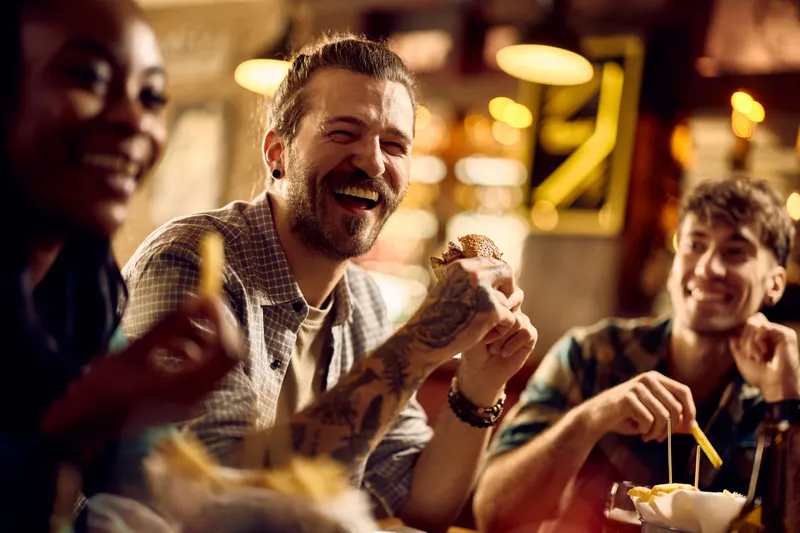
Reunions add their own pressure. Seeing high school friends can pull people back into old roles, including the friend who always kept the drinks coming. Rounds get bought for the table, shots mark every new arrival, and the night moves faster than anyone planned. In Texas, that often means a long drive between a hometown bar and wherever someone is staying, sometimes on dark rural roads.
Binge Drinking on Blackout Wednesday: What It Really Means
Binge drinking has a specific definition. The National Institute on Alcohol Abuse and Alcoholism describes binge drinking as a pattern that brings blood alcohol concentration to 0.08 percent. For a typical adult, that happens after about five drinks for men or four for women within roughly two hours.
That threshold arrives quickly at a crowded bar. Two rounds bought by old friends, a toast, and a beer while waiting for a table can add up to a binge before anyone feels particularly drunk.
The stakes are real. The CDC reports that excessive drinking leads to about 178,000 deaths each year in the United States, and it identifies binge drinking as the most common form of excessive alcohol use.
What Happens During an Alcohol Blackout
A blackout is different from passing out. According to NIAAA's guide to alcohol-induced blackouts, a blackout is a gap in memory for events that happened while someone was intoxicated. The person is awake, talking, and moving around, but their brain is not forming new memories. Those memories typically cannot be recovered later.
NIAAA identifies several factors that make blackouts more likely:
Drinking quickly, so blood alcohol rises fast
Drinking on an empty stomach
Binge drinking
Mixing alcohol with certain sleep or anxiety medications
Women may face higher risk because, on average, they reach a higher peak blood alcohol level faster than men after the same number of drinks. Thanksgiving Eve checks almost every box: people skip dinner to save room for the next day, drink fast to catch up with friends, and keep going late.
Blackouts are not harmless, even when nothing visibly bad happens. NIAAA notes that research on young adults links frequent blackouts to injuries, emergency room visits, and arrests. Its guidance is direct: experiencing even one blackout is a reason for concern.
When One Night Is Part of a Pattern

Plenty of people have one heavy night a year and never think about it again. For others, Blackout Wednesday is just the most visible version of a pattern that shows up every weekend. A few honest questions can help sort out the difference:
Do you often drink more than you planned once you start?
Have you had more than one blackout in the past year?
Do friends or family make comments about your drinking that you brush off?
Do you look forward to holidays mainly as a chance to drink?
Have you tried to cut back and found it harder than expected?
If several of these feel familiar, that is useful information rather than a verdict. Many people first notice that their drinking has changed during the holidays, when family members who see them only a few times a year notice too.
A Plan for Blackout Wednesday If You Are in Recovery
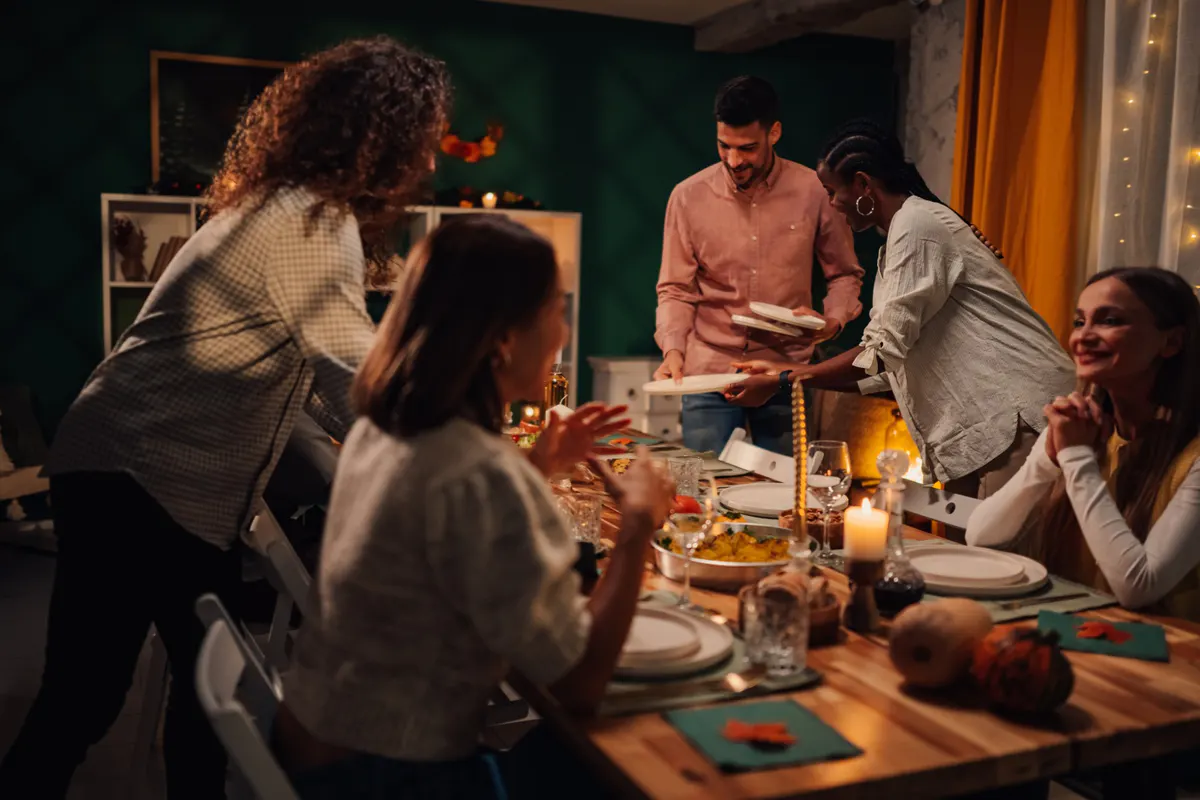
If you are in recovery, Thanksgiving Eve can feel like a test you did not sign up for. Old friends may not know you have stopped drinking, and the invitations come fast. You do not have to go out to prove anything.
If you do decide to see friends, a plan helps:
Choose a daytime coffee or lunch meetup instead of a late night at the bar.
Drive yourself so you can leave whenever you want.
Bring a sober friend, or have someone you can text when the night gets hard.
Keep a simple answer ready, such as “I’m not drinking tonight.” You do not owe anyone more than that.
Leave before the shots start. The first hour is usually the easiest part of the night.
Our post on making the most of your first holiday in recovery has more ideas for enjoying the season sober. For a broader look at the situations that most often lead to a slip, see Top 10 Common Relapse Triggers and How to Avoid Them.
Staying Safe on Thanksgiving Eve
For anyone heading out, a few basic steps lower the risk for everyone:
Eat a real meal before you go out.
Alternate alcoholic drinks with water.
Set a ride home before the first drink, whether that is a sober driver, a rideshare, or a place to stay.
Keep an eye on friends. If someone cannot stay awake, is vomiting while drowsy, or has slow or irregular breathing, call 911.
When to Consider Alcohol Rehab in Texas
If Blackout Wednesday has become a yearly tradition you dread, or if the questions above hit close to home, support is available. At More Than Rehab, our alcohol rehab program in Texas uses a social model of recovery, which means you build new habits alongside peers who understand what you are going through. Treatment also looks at what drives the drinking, including stress, anxiety, depression, or family dynamics that tend to surface around the holidays.
More Than Rehab is LegitScript certified, so you can trust that our programs and marketing have been independently reviewed for honesty and transparency.
Frequently Asked Questions
What is Blackout Wednesday?
Blackout Wednesday is a nickname for the night before Thanksgiving, when many people return to their hometowns and go out drinking with old friends. In 2026, it falls on Wednesday, November 25. The night is associated with heavy binge drinking.
How many drinks does it take to black out?
There is no exact number. Blackouts become more likely when blood alcohol rises quickly, such as when someone drinks fast, binge drinks, or drinks on an empty stomach. Binge drinking is roughly five drinks for men or four for women within about two hours.
Is one blackout a sign of alcohol use disorder?
Not necessarily, but NIAAA says experiencing even one blackout is a reason for concern. Frequent blackouts, drinking more than planned, and trouble cutting back can all point to a problem worth discussing with a health care provider.
How can I stay sober on Thanksgiving Eve?
Make a plan in advance. Choose daytime meetups instead of late nights at the bar, drive yourself, bring a sober friend or keep someone you can text, and have a simple answer ready when people offer you a drink.
Make This Thanksgiving One You Remember
Blackout Wednesday is built on the idea that one night does not count. For many people it does, whether that means a lost memory, a dangerous drive, or a Thanksgiving spent feeling worse instead of grateful. A plan, a ride home, and an honest look at your drinking can change how the whole holiday goes. If you or someone you love is struggling with addiction, More Than Rehab is here to help. Reach out today for a confidential conversation.
Related Posts
Quitting Nicotine in Recovery: Is It Too Much at Once?
November 11, 2026
Halloween in Recovery: Surviving Party Weekend
October 26, 2026
Recovery Month: How Families Can Help
September 24, 2026
Overdose Awareness Day 2026: Naloxone Access in Texas
August 19, 2026