
Texas Delta-8 Ban: What If You Use It Daily?

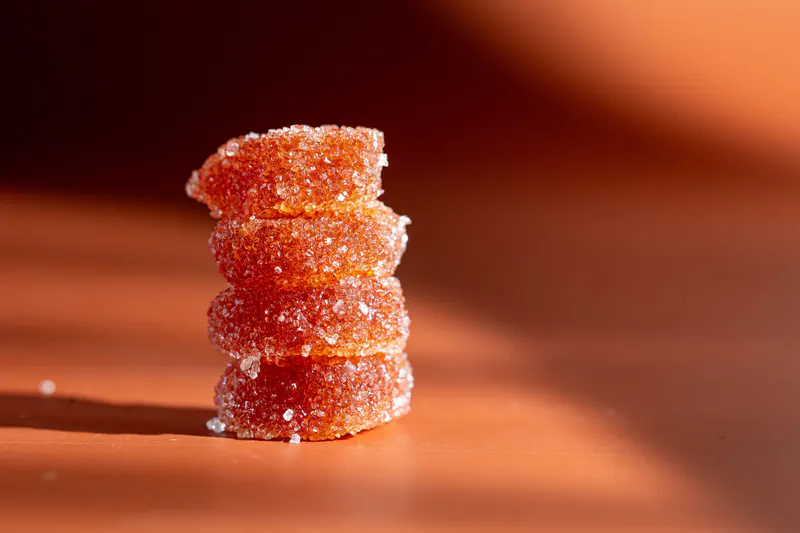
Since July 31, 2026, delta-8 THC and similar hemp-derived products have been controlled substances under Texas law. If you were buying delta-8 gummies, vapes, or pre-rolls every day, the Texas delta-8 ban means more than finding a different store. For many people it means stopping a daily habit with little warning, and that can bring withdrawal symptoms, cravings, and an uncomfortable question about how much they had come to rely on it. This guide covers what changed, what stopping can feel like, and where to find support if quitting turns out to be harder than you expected.
What Changed Under the Texas Delta-8 Ban
The rule itself is not new. In 2021, the Texas Department of State Health Services classified delta-8 and related THC compounds as Schedule I controlled substances. Hemp businesses sued, a lower court blocked enforcement, and the products stayed on shelves for almost five years. On May 1, 2026, the Texas Supreme Court ruled that the state health commissioner had the authority to make that classification, and the state reinstated the rule effective July 31.
Here is where things stand now, according to the Texas Department of State Health Services and recent reporting:
Delta-8, delta-10, and other non-delta-9 THC compounds made from hemp are treated as controlled substances in Texas.
Possessing, manufacturing, or delivering these products can bring felony charges.
Hemp products that contain no more than 0.3 percent delta-9 THC by dry weight remain legal, and licensed sellers may not sell them to anyone under 21.
If you have questions about your own legal situation, a Texas attorney is the right person to ask. The rest of this article is about your health.
Why Quitting Delta-8 Can Feel Harder Than Expected
A lot of Texans thought of delta-8 as the mild, legal cousin of marijuana. It was sold next to energy drinks and phone chargers, which made it easy to assume it was low risk. Delta-8 is still a form of THC, though, and research on THC in general suggests that heavy daily use can lead to dependence.
The products themselves have also changed. The CDC reports that the average delta-9 THC concentration in cannabis almost doubled between 2008 and 2017, from 9 percent to 17 percent. Many people who reached for a gummy at the end of every workday never thought of themselves as someone with a substance problem. Then the shelf went empty, and the evenings started to feel very long.
Common Cannabis Withdrawal Symptoms

According to the National Institute on Drug Abuse, withdrawal can happen after someone stops or sharply cuts back on heavy or long-term cannabis use, even if they do not have a cannabis use disorder. One study NIDA cites estimated that 12.1 percent of people who use cannabis frequently experience withdrawal. Reported symptoms include:
Irritability, anger, or a short temper
Nervousness, anxiety, and restlessness
Trouble sleeping, often with vivid or unsettling dreams
Reduced appetite or weight loss
Low mood or depression
Headaches, sweating, stomach pain, or shakiness
Symptoms vary from person to person. If they feel severe, or if low mood turns into thoughts of harming yourself, contact a medical provider right away or call or text 988.
Signs Delta-8 Use Had Become a Cannabis Use Disorder
Withdrawal alone does not mean someone has a use disorder. Still, an abrupt stop tends to show people things about their use that were easy to miss while the product was always within reach. The CDC estimates that about 3 in 10 people who use cannabis have cannabis use disorder, and NIDA identifies frequency of use as the strongest predictor.
Clinicians look for two or more of the following within a 12-month period:
Needing more THC to get the same effect
Strong cravings, especially at the times of day you used to use
Trying to cut back and not being able to
Using more, or for longer, than you meant to
Continuing to use even when it caused problems at work, at school, at home, or in relationships
Withdrawal symptoms when you stop
If several of these sound familiar, the ban may have exposed something worth addressing. That realization can feel uncomfortable. It is also useful information, and it arrives at a time when you are already in the middle of a change.
The Risk of Switching to Unregulated Products
When a familiar product disappears, people look for substitutes. Some turn to online sellers or unlabeled vape cartridges. Others find a different gas station product that has not been banned yet, a pattern we covered in Legal Doesn't Mean Safe: The Hidden Trap of Gas Station Highs. Some simply start drinking more in the evenings to fill the gap.
Each of these trades a known risk for an unknown one. Products sold outside a regulated system come with no testing and no reliable label, so the potency and contents are a guess. If you notice that you are spending time and energy hunting for a replacement, pay attention to that. The search itself can be a sign that the substance had become more central to your days than you realized.
Some people also used delta-8 to manage anxiety, pain, or sleep. When the product goes away, those problems come back, sometimes stronger than before. A provider who understands both substance use and mental health can help you address the original problem directly instead of trading one substance for another.
Getting Support: Substance Abuse Treatment in Texas

The good news is that cannabis use disorder responds to treatment. NIDA notes there are currently no FDA-approved medications for it, but behavioral approaches such as cognitive behavioral therapy, motivational enhancement therapy, and contingency management have solid research support.
At More Than Rehab, we treat cannabis use through a social model of recovery. That means you work on change alongside other people who understand it, with peer support built into daily life rather than treatment happening alone in an office. Our marijuana rehab program in Texas addresses the habits, triggers, and underlying stress that kept the cycle going. For people who need to keep working or caring for family, our virtual intensive outpatient program offers structured support without stepping away from daily life.
More Than Rehab is LegitScript certified, which means our programs and marketing practices have been independently reviewed against standards for legitimate addiction treatment. You deserve care that is honest about what it can and cannot promise.
Frequently Asked Questions
Is delta-8 illegal in Texas now?
Yes. As of July 31, 2026, delta-8 THC and similar hemp-derived compounds such as delta-10 are treated as controlled substances under Texas law, following a Texas Supreme Court ruling on May 1, 2026. Hemp products with no more than 0.3 percent delta-9 THC by dry weight remain legal for adults 21 and older.
What are the symptoms of delta-8 withdrawal?
Delta-8 is a form of THC, so stopping heavy daily use can cause symptoms similar to cannabis withdrawal. These include irritability, anxiety, restlessness, trouble sleeping, vivid dreams, reduced appetite, low mood, headaches, and sweating. Symptoms vary from person to person.
Can you get addicted to delta-8 THC?
Yes, frequent THC use can lead to cannabis use disorder. The CDC estimates that about 3 in 10 people who use cannabis have the disorder. Signs include cravings, needing more to get the same effect, and being unable to cut back despite trying.
Where can I get help for cannabis use in Texas?
More Than Rehab offers marijuana rehab in Texas using a social model of recovery, with residential and virtual outpatient options. You can also call the SAMHSA National Helpline at 1-800-662-4357 for free, confidential treatment referrals.
You Do Not Have to Figure This Out Alone
The Texas delta-8 ban changed the law overnight, but it did not change the habits, cravings, or stress that may have been building for years. If stopping has been harder than you expected, that says nothing about your character. It tells you where support could help. If you or someone you love is struggling with addiction, More Than Rehab is here to help. Reach out today for a confidential conversation.
Related Posts
Kratom in Texas: What You May Not Know You're Taking
October 30, 2026
Substance Use and Suicide Risk in Texas 2026
September 21, 2026
Stimulant Misuse and Heat Risk in Texas Two-A-Days
August 26, 2026
When Grief Leads to Addiction in Texas
July 8, 2026