June is PTSD Awareness Month ... You're not alone... We're here to help...


The holiday season is often portrayed as a time of joy, connection, and relaxation. But for millions of families, it is a pressure cooker of stress, unspoken tension, and hidden struggles. While we’re busy wrapping gifts and planning holiday parties, a silent crisis may be unfolding right in the living room.
For those struggling with high-functioning alcoholism, the holidays aren't just a celebration; they are a gauntlet of triggers and a convenient mask for their addiction. The abundance of alcoholic drinks at every gathering provides the perfect camouflage for a problem that runs much deeper than festive cheer.
At More Than Rehab, we know that addiction doesn't always look like the stereotypes we see in movies. It often looks like the successful professional, the "super mom," or the beloved uncle who just seems a little too into the eggnog. Recognizing the hidden addiction signs during this time can be the difference between another year of suffering and the start of a life-changing recovery.
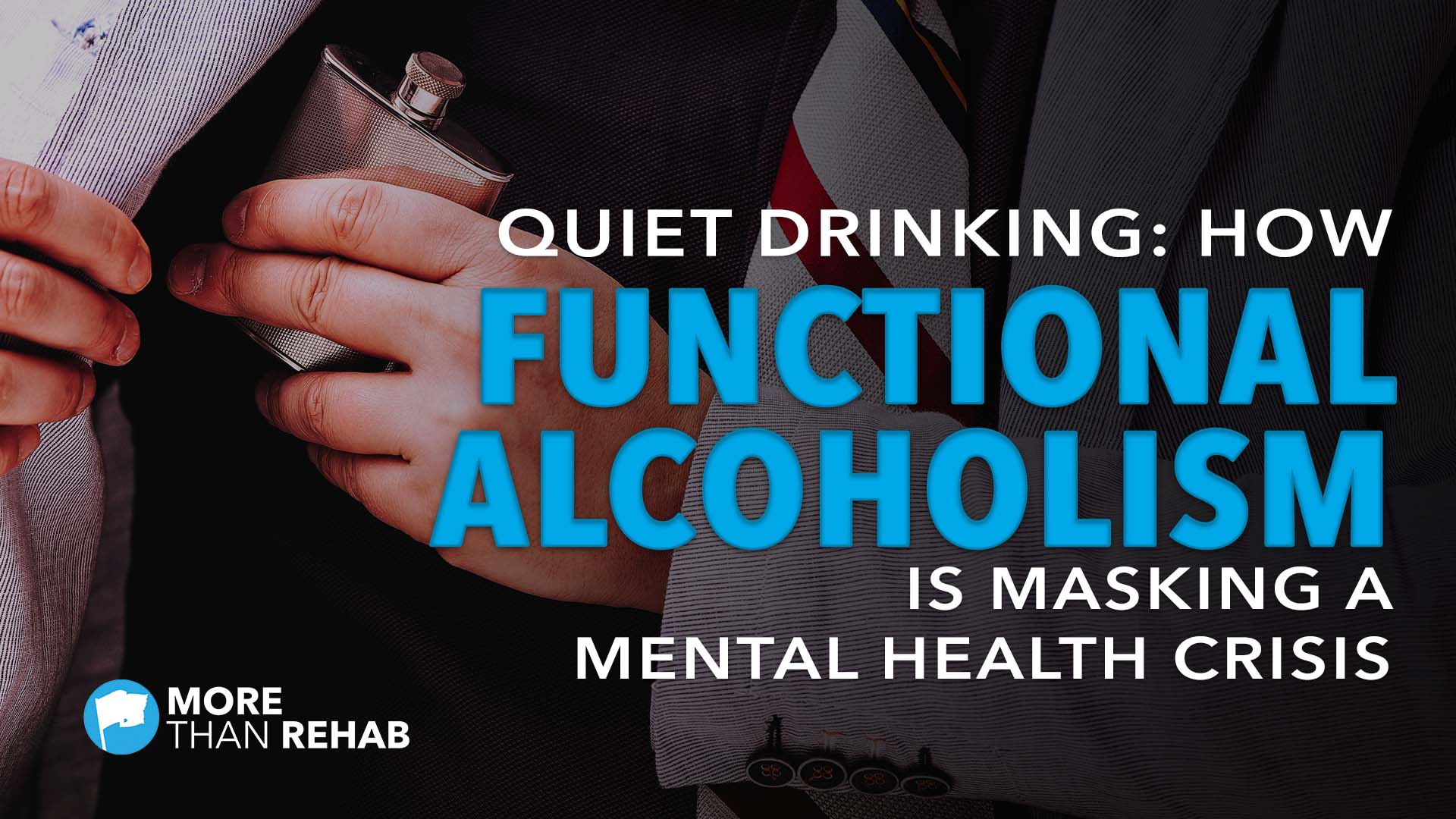
There is a dangerous misconception that an alcoholic is someone who has lost everything - their job, their home, or their family. This stereotype keeps many people in denial. A high-functioning alcoholic is someone who maintains their external life: holding down a job, paying bills, attending family events, all while secretly battling a severe dependency on alcohol.
During the holidays, the "functional" mask often slips. The disruption of routine, combined with the stress of hosting or traveling, makes it harder to maintain the facade. If you are noticing that a loved one’s alcohol consumption seems to be the central focus of their holiday experience, it might be time to take a closer look.

Addiction thrives in the shadows, but it also hides in plain sight. Holiday traditions often revolve around food and drink, making binge drinking socially acceptable in many circles.
If you are worried about a loved one, you don't need to be a detective, but you do need to be observant. High-functioning addicts are often masters of deception, but the cracks usually show in the details.
One of the most telling signs is drinking before the event starts. If a family member arrives at the party already smelling of distilled spirits or seems buzzed before the first toast, they may be "pre-gaming" to steady their nerves or avoid withdrawal symptoms.
You might also notice them sneaking off to the garage, their car, or a specific room frequently. As we’ve discussed in previous articles, addicts are incredibly ingenious at hiding their stash, using everything from water bottles to coffee mugs to conceal vodka or gin.
Alcohol withdrawal doesn't always look like the shakes; in high-functioning drinkers, it often looks like irritability. If a loved one becomes snappy, anxious, or agitated when alcohol isn't available, and then suddenly transforms into a charming, relaxed person once they have a drink in hand, that is a major red flag. This reliance on a substance to regulate mental health and mood is a hallmark of dependency.
Alcohol disrupts the body’s natural sleep cycles, leading to poor quality rest. You might notice your loved one nodding off on the couch in the middle of the day, or complaining of constant fatigue. They may use the excuse of "holiday exhaustion," but if they are passing out rather than falling asleep, or experiencing "micro-awakenings" and confusing behavior at night, it could be alcohol-induced.
Does your loved one seem overly concerned with whether there will be enough booze? Do they volunteer to make the drink run? If the holiday parties run dry and they panic or insist on leaving immediately to get more, their physical dependency could be driving the bus.

While alcohol is the most visible culprit, the holidays are also a time when drug abuse can spike. The stress of the season leads many to self-medicate with stimulants (to keep up with the busy schedule) or depressants (to numb the anxiety).
Watch for physical changes like:
It is tempting to "keep the peace" and ignore these behaviors to avoid ruining the holiday mood. However, ignoring the problem increases the risk of tragic consequences.
If you recognize these signs, you may feel compelled to act. However, the middle of Christmas dinner is not the time for a confrontation. Here is a brief guide on how to handle it:
The holidays should be about presence, not presents (or pints). If friends and family members are concerned about your drinking, or if you find yourself unable to navigate the holiday season without a drink in your hand, it may be time to ask for help.
At More Than Rehab, we believe in a social model of recovery. We don't just treat the addiction; we treat the person. We help you rebuild the connections and life skills that addiction has stolen. Whether it’s managing mental health disorders that fuel the addiction or undergoing a safe medical detox from alcoholic drinks and drugs, we are here to help you get your life back.
Don't wait for a New Year's Resolution. If you are struggling, the best gift you can give yourself and your family is the decision to get help.

Q: How can I tell the difference between "festive drinking" and a drinking problem?
A: The key difference usually lies in control and consequences. Festive drinking is situational and stops when the party ends. Problem drinking often involves alcohol consumption that continues after the party, drinking in secret, an inability to stop once started, or drinking despite negative consequences (like arguments or hangovers affecting work and family obligations).
Q: Is it safe to stop drinking cold turkey after the holidays?
A: For heavy or long-term drinkers, stopping alcohol abruptly (or going cold turkey) can be dangerous and even life-threatening due to withdrawal symptoms like seizures or delirium tremens. It is highly recommended to seek professional help from an addiction treatment center to detox safely under medical supervision.
Q: What should I do if a family member gets drunk and belligerent at a holiday party?
A: Safety comes first. Do not engage in an argument or try to reason with them while they are intoxicated. Ensure they do not drive. If they become violent or unsafe, you may need to ask them to leave or call for help. The next day, when they are sober, have a serious conversation about their behavior and set boundaries for future gatherings.
Q: Can high-functioning alcoholics really benefit from rehab?
A: Absolutely. High-functioning alcoholics often have a lot to lose, which can be a strong motivator for recovery. However, their denial is often stronger because they haven't "hit rock bottom" yet. A specialized program that addresses the underlying stressors, like career pressure or family dynamics, is often a very effective motivator for this demographic.
If you or a loved one are struggling with addiction this holiday season, you don’t have to face it alone. More Than Rehab is here to help you navigate the season safely. Call us today. We are available 24/7, 365 days a year: