June is PTSD Awareness Month ... You're not alone... We're here to help...


Fentanyl is now the leading cause of drug overdose deaths in the United States, and Texas is not exempt. What makes this crisis different from others before it is that fentanyl has spread far beyond the population of people who seek it out intentionally. It is showing up in cocaine, counterfeit prescription pills, methamphetamine, and MDMA. People are dying from substances they had no idea were contaminated. If you use drugs, love someone who does, or work in a field where this matters, understanding how fentanyl is moving through the Texas drug supply is no longer optional.
Fentanyl is a synthetic opioid that is 50 to 100 times more potent than morphine, according to the CDC. It was originally developed for cancer pain management and is still used medically in carefully controlled doses. The illicit version flooding the drug supply is manufactured in clandestine labs, primarily in Mexico using precursor chemicals from China, and distributed through trafficking networks into the United States.
The economics explain a lot. Fentanyl is cheap to produce, extremely potent in tiny quantities, and easy to transport because so little of it is needed to produce a powerful effect. Drug traffickers mix it into other substances to stretch supply, increase potency, and keep buyers coming back. From a distribution standpoint, it makes business sense. From a human standpoint, it is devastating.
A lethal dose of fentanyl is approximately two milligrams. That is an amount smaller than a few grains of salt. It cannot be seen, smelled, or tasted in a pill or powder. There is no way to know it is there without a test.
Texas has been among the hardest-hit states in the country. According to the Texas Department of State Health Services, fentanyl-involved overdose deaths increased sharply throughout the early 2020s, with synthetic opioids now accounting for the majority of opioid overdose fatalities in the state. The problem is not confined to major metro areas. Rural communities, suburban counties, and border regions have all seen significant increases.
Texas’s geography compounds the problem. As a major border state with hundreds of miles of frontier shared with Mexico, Texas is a primary entry point for fentanyl moving into the broader U.S. supply. Law enforcement seizures at Texas ports of entry have increased dramatically, but interdiction alone cannot keep pace with the volume.
Young people are disproportionately affected. The CDC has identified drug overdose as the leading cause of accidental death for Americans between the ages of 18 and 45, with fentanyl driving the majority of those deaths. In Texas, parents are losing children who took what they believed was a single Xanax or Percocet purchased from someone they knew.
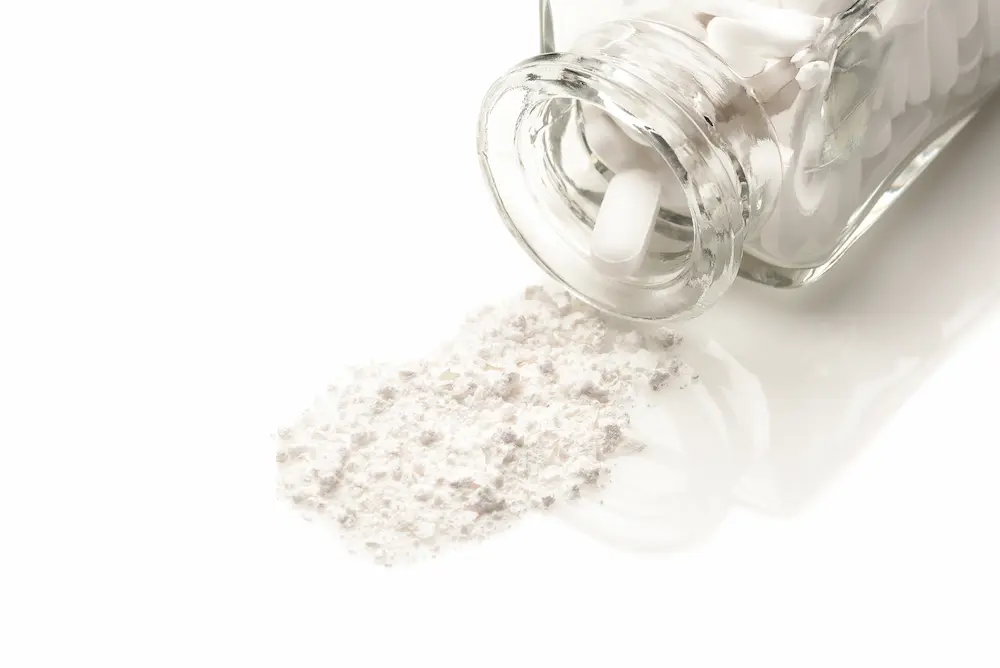
Fentanyl contamination is no longer limited to the opioid supply. Testing data from harm reduction organizations and public health agencies across the country has found fentanyl in:
This is the central danger of the current moment. Someone who has never used an opioid and has no tolerance whatsoever can be exposed to a substance capable of stopping their breathing in minutes without any warning. Opioid tolerance provides some protection against overdose. Most people who die from fentanyl-laced stimulants or counterfeit pills have none.
Fentanyl overdose can happen within minutes of exposure. Knowing the signs can save a life. Call 911 immediately if someone shows any of the following:
Naloxone (Narcan) is an opioid reversal medication that can temporarily reverse a fentanyl overdose and restore breathing. In Texas, naloxone is available without a prescription at many pharmacies. Because fentanyl is so potent, multiple doses may be required. Administering naloxone and calling 911 are not mutually exclusive. Do both.
Texas has a medical amnesty law, also known as the Good Samaritan law, that provides limited legal protection for people who call 911 during an overdose. Fear of legal consequences should not stop anyone from making that call.

Harm reduction is not a endorsement of drug use. It is an acknowledgment that people are going to make their own choices, and that keeping them alive long enough to access treatment is a legitimate and evidence-based goal. SAMHSA and the CDC both support harm reduction as part of a comprehensive public health response to the overdose crisis.
The most practical harm reduction tools available right now include:
How do I know if a pill or powder contains fentanyl?
You cannot tell by looking at it, smelling it, or tasting it. Fentanyl test strips are the only practical way to check. They are available online and through harm reduction organizations. A negative result reduces risk but does not eliminate it, since fentanyl may not be evenly distributed throughout a substance.
Is naloxone available over the counter in Texas?
Yes. Texas law allows pharmacies to dispense naloxone without an individual prescription under a standing order. Most major pharmacy chains stock it. Some local health departments and harm reduction organizations also distribute it at no cost.
What is Texas’s Good Samaritan law?
Texas Health and Safety Code Chapter 773 provides limited immunity from prosecution for certain drug offenses when a person calls 911 for an overdose in good faith. It is not a blanket protection, but it is specifically designed to remove the fear of arrest as a barrier to calling for help. When someone’s life is at risk, call 911.
What treatment options are available for fentanyl addiction in Texas?
Medication-assisted treatment (MAT) using buprenorphine or methadone is the most evidence-supported approach for opioid use disorder, including fentanyl addiction. Medical detox followed by inpatient or outpatient treatment, combined with behavioral therapy and peer support, gives individuals the best foundation for long-term recovery. Texas has treatment programs available across the state, including LegitScript-certified centers like More Than Rehab.
The fentanyl crisis has made an already difficult problem more urgent and more dangerous. But treatment works, and recovery is possible even from opioid use disorder that began with an accidental exposure. The first step is making it through alive, and the next step is reaching out.
If you or someone you love is struggling with substance use or has been affected by the fentanyl crisis, More Than Rehab is here to help. Reach out today for a confidential conversation about treatment options in Texas.