June is PTSD Awareness Month ... You're not alone... We're here to help...


It starts with a prescription. A back surgery, a sports injury, a panic disorder that finally has a name. A doctor writes something on a pad, a pharmacist fills it, and the medication works exactly as intended. Then, at some point, the line between use and misuse begins to blur. The dose that worked last month does not seem to be enough anymore. The refill comes a few days early. The medication that was supposed to be temporary has become something you cannot imagine your day without.
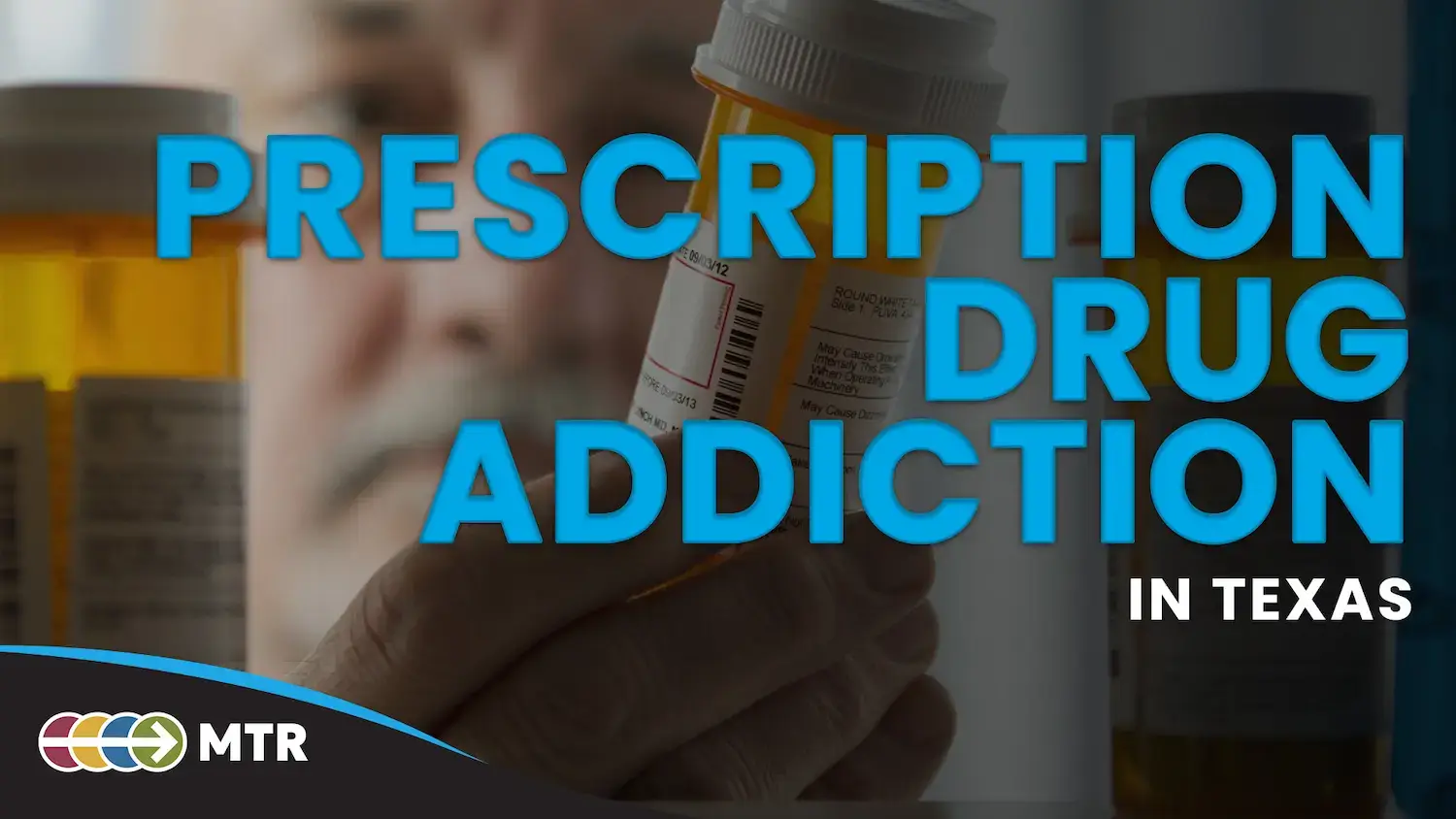
Prescription drug addiction is one of the most common and least recognized forms of substance use disorder in Texas and across the United States. Because the drugs come from a legitimate source, many people do not identify what is happening as addiction until the dependency is well established. Understanding how prescription misuse develops, what it looks like, and where to get help can make the difference between a manageable situation and a crisis.

The numbers are significant. According to SAMHSA's 2024 National Survey on Drug Use and Health, 7.6 million Americans misused prescription opioids in the past year, and 4.6 million misused prescription tranquilizers or sedatives such as benzodiazepines. Prescription stimulant misuse, including medications prescribed for ADHD, affected millions more. Across all categories, nearly 14 million Americans misused a prescription psychotherapeutic drug in the past year.
These are not people buying pills on street corners. Many started with a valid prescription and a genuine medical need. The CDC reports that more than a third of opioid-related emergency department visits in 2024 involved prescription opioids, with oxycodone being the most common. Benzodiazepines appeared in nearly three-quarters of drug-related ED visits involving cocaine, reflecting how often prescription drugs appear in polysubstance situations.
Three categories of prescription medication account for the vast majority of misuse cases.
Medications such as oxycodone, hydrocodone, codeine, and morphine are prescribed for pain management following surgery, injury, or for chronic conditions. They work by binding to opioid receptors in the brain, reducing pain signals and producing a sense of calm or mild euphoria. That sense of relief is also what makes them addictive. The brain adapts to the presence of the drug, requiring more to achieve the same effect, and withdrawal becomes intensely uncomfortable if use stops.
Texas has been significantly affected by the national opioid crisis. Fentanyl, which is now contaminating much of the illicit drug supply, began its rise partly through the prescription opioid pipeline, with people who developed a dependency on prescription opioids eventually seeking cheaper or more available alternatives. The opioid rehab program at More Than Rehab was developed with that history in mind.
Benzodiazepines, including medications such as Xanax, Valium, Klonopin, and Ativan, are commonly prescribed for anxiety disorders, panic attacks, insomnia, and seizure prevention. They work by enhancing the effect of GABA, a neurotransmitter that reduces brain activity, producing a calming effect. Like opioids, tolerance develops relatively quickly, and physical dependency can occur even when a person takes the medication exactly as prescribed.
Benzodiazepine withdrawal is among the most medically dangerous of any substance. Stopping abruptly can cause seizures, severe anxiety, and in some cases, life-threatening complications. This makes professional medical supervision during detox not just recommended but essential for anyone who has been using benzodiazepines heavily or for an extended period.
ADHD medications such as Adderall and Ritalin, as well as other prescription stimulants, are increasingly misused by people who did not receive a diagnosis but are looking for a cognitive edge, a way to manage exhaustion, or a substitute for other stimulants. Misuse is particularly common among young adults. While stimulant misuse is less likely to produce the physical dependency seen with opioids or benzodiazepines, psychological dependency and addiction do occur, and the cardiovascular risks of stimulant misuse are real.

Many people, and many families, miss the early signs of prescription drug misuse because the behavior patterns look familiar. The medication is legal, the person has a diagnosis, and the line between legitimate use and problematic use is genuinely ambiguous. These patterns are worth attention:
It is also worth naming what makes prescription misuse uniquely difficult to identify: the person may not believe they have a problem because a doctor prescribed the medication. That perception does not change the neuroscience. Dependency is dependency, regardless of whether the drug came from a pharmacy or a street corner.
Prescription drugs are often prescribed precisely because the person has an underlying mental health condition: anxiety, depression, PTSD, ADHD, or chronic pain with a psychological component. When that underlying condition goes unaddressed or is inadequately treated, the medication fills a larger and larger emotional role, and misuse becomes more likely.
This is why dual diagnosis treatment is so important for prescription drug addiction. Treating the substance use disorder without treating the anxiety or depression or trauma that the medication was managing will leave an unaddressed gap, and that gap is where relapse lives. The most effective approach addresses both conditions simultaneously in an integrated program.
Because prescription drug dependency often develops gradually, and because the drugs involved are legal and medically sanctioned, many people wait longer than they should before seeking treatment. There is no threshold of severity that must be reached before help is appropriate. If your prescription use is causing problems in your relationships, your work, your health, or your mental state, that is enough reason to talk to someone.
Medical detox is an important first step for opioid and benzodiazepine dependency in particular. Withdrawal from these medications should be medically supervised, both for safety and to reduce the discomfort that drives people back to using during the early days of stopping. More Than Rehab's drug rehab program includes medically supervised detox, inpatient and outpatient options, and a dual diagnosis framework that addresses co-occurring mental health conditions.
For those who need ongoing support after completing a primary treatment program, MTR's Virtual Intensive Outpatient Program offers clinician-led care through a structured online format, making it possible to continue treatment without stepping away from work, family, or daily responsibilities.
Not necessarily, but it is a warning sign that warrants attention. Taking more than prescribed can indicate tolerance development, which means the brain is adapting to the drug. Whether that constitutes addiction depends on additional factors, including whether there is loss of control over use and whether the person continues using despite negative consequences. If the pattern is happening, it is worth a conversation with a healthcare provider.
Yes. Physical dependency, meaning that the body has adapted to the presence of the drug and experiences withdrawal if it is removed, can develop with prescribed use of opioids and benzodiazepines. Physical dependency is not the same as addiction, but it does mean that stopping should be done carefully and with medical support.
The distinction matters less than many people think. The brain's response to opioids, benzodiazepines, and stimulants is the same whether the drug came from a prescription or a street purchase. Dependency, tolerance, and withdrawal are physiological processes, not moral judgments. What matters is whether the use is causing harm and whether the person needs support to stop.
Begin from a place of concern rather than accusation. Describe what you have observed specifically, rather than characterizing the person's behavior broadly. Avoid ultimatums in the initial conversation. Make it clear that you are not there to judge but to express that you have noticed something and that you want to help. Having a specific resource to offer, such as a confidential consultation with a treatment program, can make the conversation more concrete and actionable.
If you or someone you love is struggling with prescription drug misuse, More Than Rehab is here to help. Reach out today for a confidential conversation with our admissions team.